Cart
Dein Warenkorb ist leer
Weiter einkaufen
Drawer menu
In Germany, a bidirectional meter for balcony power plants measures the electricity fed into the grid and the electricity drawn from it separately. It is often mandatory for systems exceeding 800 W, installed by the grid operator, and enables compensation for grid feed-in. The costs are usually borne by the operator, and the local grid operator is responsible.
Check: Efficient Solar Battery Units
For balcony power plants with an injection capacity exceeding 800 W, a bidirectional meter is required to correctly bill surplus electricity. It separates consumption and injection, enables EEG remuneration, and complies with VDE standards for safe grid injection.
Bidirectional meters must be MID-certified, offer bidirectional measurement, and be compatible with smart meter infrastructure. They accurately record power in both directions and transmit data digitally to the grid operator.
The local grid operator is exclusively responsible for installation and replacement. After application and system registration, they schedule appointments, carry out the installation, and handle calibration. Private individuals are not permitted to install it themselves.
Register your balcony power plant with the grid operator online or via a form. Submit system data, photos, and proof. The operator reviews, plans the installation, and informs you about an appointment within 4–8 weeks.
Installation costs range from €50–€150, often free for tenants/owners. Grid operators usually cover them, but a fee may apply for modernization. The EEG surcharge regulates financing.
For feed-in exceeding 800 W (e.g., with 2,400 W inverters) within 4 weeks of commissioning. For the 800 W limit, it is often not necessary if zero feed-in is used.
Via www.netzbetreiberkarte.de or your electricity bill. Entering your postal code shows the local provider such as E.ON, EnBW, or Stadtwerke. You start the application there.
No, the grid operator supplies and installs it exclusively. Self-purchase is invalid as certification and calibration are missing. Penalties apply for tampering.
Check: Refurbished Balcony Solar Battery
Zero feed-in with Shelly Pro 3EM prevents grid feed-in, no meter needed. Ideal for tenants with an 800 W limit. DRBO Greenenergy offers compatible systems like SunEnergyXT 500.
It avoids registration, meter changes, and EEG obligations. Full self-consumption directly reduces the bill, compatible with storage units like DRBO Greenenergy's BK215 PLUS.
| Comparison: Bidirectional Meter vs. Zero Feed-in | Bidirectional Meter | Zero Feed-in |
|---|---|---|
| Registration | Mandatory | Not necessary |
| Costs | €50–€150 | Approx. €100 (device) |
| Remuneration | Yes (approx. 8 ct/kWh) | No |
| Suitability | Over 800 W | Up to 800 W |
It separates costs: consumption remains the same, feed-in is remunerated (8–12 ct/kWh). Monthly billing via the grid operator, often a lower basic price.
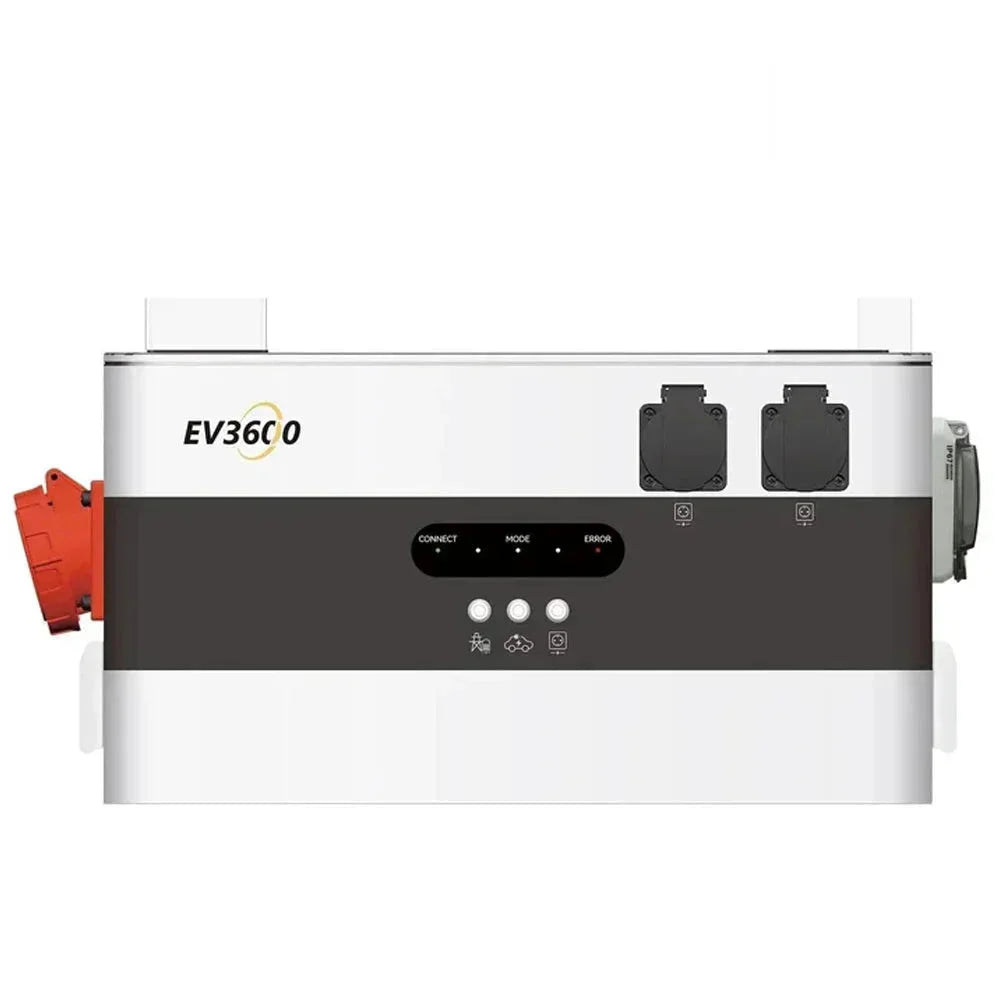
"As an authorized dealer of SunEnergyXT products such as the BK215 PLUS top-storage unit (2.15 kWh, expandable up to 17.2 kWh) and the EV3600 bidirectional inverter, we advise daily on bidirectional meters. Many customers choose zero feed-in with Shelly Pro 3EM, compatible with our systems, to avoid bureaucracy. For higher capacities like SunEnergyXT 500 PRO (2,400 W on-grid), the meter is unavoidable, but our free solar consultation clarifies requirements and grid operator processes. With 0% VAT, 0% financing via OpenBank, and Trustpilot 4.6/5, we make getting started easy – German support team included." – DRBO Greenenergy Expert Team
DRBO Greenenergy offers Plug & Play solutions such as the Tenant Starter Set (€1,548.00) or Dynamic Starter PLUS (€3,199.00) for Tibber users, optimized for German regulations. Refurbished options like Minjet storage further reduce costs.
SunEnergyXT 500 (800 W, 5 kWh) and 500 PRO (2,400 W) are ideal for systems with meters. Expandable up to 30 kWh with B500 modules. Compatible with Deye SUN-M80G4-EU-Q0 microinverter (96.5% efficiency).
The bidirectional meter is key for legal balcony power plants over 800 W in Germany: grid operators install it for free or at low cost; zero feed-in saves effort. DRBO Greenenergy supports with consultation, 0% financing, and high-quality SunEnergyXT products such as BK215 PLUS or complete sets. Start the energy transition plug & play – contact the German team for customized solutions.
No, only for feed-in exceeding 800 W. Below 800 W or with zero feed-in, a standard meter is sufficient.
4–8 weeks from application to installation, appointment 1–2 hours on site.
Approx. 8.1 ct/kWh for surplus, depending on the registration date.
Yes, landlord approval is often not required up to 800 W; the grid operator installs centrally.
Yes, free consultation explains processes and recommends compatible sets like the 900 Wp Plug & Play (€269.00).
Personal expert advice
